This is the part of the NBA season where record alone stops telling the truth. By now, opponents know exactly what you want to do, what you’re willing to give up, and where your structural weak points live. The teams that are still winning are the ones whose answers hold up once scouting catches up — not the ones surviving on novelty or shooting variance.
Brian Sevald/NBAE via Getty Images
What’s emerged across the NBA is a clearer separation of how teams win. Some control games through defensive leverage, others through half-court execution, others by sheer margin of error. At the same time, the middle of the standings has thinned out. There are fewer teams you genuinely fear and fewer you mistake for contenders just because of a good week.
These rankings reflect that reality — not just who is winning, but why those wins are sustainable or fragile, as compared to our previous power rankings.
30. Indiana Pacers
Indiana sits at the bottom because there’s no ambiguity left about what this season is. Losing Myles Turner in free agency stripped the Pacers of their defensive spine, and nothing since has compensated for it. Tyrese Haliburton remains a high-level offensive organizer, but without a vertical threat or rim deterrent, Indiana’s games collapse into track meets they rarely finish.
The frontcourt options — Isaiah Jackson and Jay Huff — are rotation pieces being asked to fill starter-sized roles. That mismatch shows up nightly in second-chance points and foul trouble. Indiana’s deadline posture will be exploratory, but this is a summer reset team, not a February fixer.
29. New Orleans Pelicans
The Pelicans are trapped in the Zion paradox. When Zion Williamson plays and scores efficiently, he looks like someone you can build around. When he’s unavailable — or when the roster around him can’t defend or space — the entire structure caves.
Williamson’s recent scoring run matters, but it hasn’t changed the standings or the trajectory. New Orleans is now firmly in the zone where every decision is about value timing. Trading Zion while he’s healthy risks giving up the upside. Waiting risks watching that value crater again. That tension makes the Pelicans unstable night-to-night and justifies their place near the bottom.
28. Sacramento Kings
Sacramento’s slide isn’t just about losses — it’s about identity erosion. The offense no longer bends defenses the way it did, and late-game decision-making has become erratic. Possessions like Russell Westbrook pulling up for a contested three instead of swinging to DeMar DeRozan aren’t anomalies; they’re symptoms.
There are interesting pieces here. Keon Ellis is quietly one of the more intriguing low-cost defenders on the market, and rival teams are circling. But Sacramento’s net rating and defensive slippage put them squarely in the “structural issues” tier rather than simple bad luck.
27. Washington Wizards
Washington moves up not because it’s good — but because it now matters. Trading for Trae Young without surrendering first-round picks instantly changes the Wizards’ relevance. Even before Young is fully integrated, his presence reshapes how defenses guard Washington and how young players are evaluated.
This is now a real developmental environment for Alex Sarr, Tre Johnson, and Kyshawn George. That alone bumps Washington out of the NBA’s basement. They’ll still lose plenty — but they’ll steal games, and they’ve exited “irrelevant rebuild” territory.
26. Brooklyn Nets
Brooklyn lives in the space between teardown and optionality. The defense that briefly carried them earlier in the season has regressed, but individual development keeps them from sinking further. Egor Demin finding consistency from three matters more than wins right now — he’s auditioning for long-term lead-guard responsibilities.
The Nets’ deadline leverage is real. Expiring contracts and modular wings make them a facilitator candidate, but nothing here suggests urgency to climb the standings. They are rationally patient — which keeps them above the true bottom, but well short of relevance.
25. Utah Jazz
Utah may be the NBA’s most honest tank. The offense is competent enough to stay competitive — largely because Lauri Markkanen continues to score at an elite level — while the defense quietly ensures losses pile up.
Markkanen’s trade value remains enormous, but the Jazz aren’t compelled to move him. Keyonte George is on a legitimate heater, and Utah’s internal development arc is clear even if the standings are not. This is controlled losing, not dysfunction.
24. Dallas Mavericks
Dallas drops because its best pathway vanished. Anthony Davis’ ligament injury removes him from the trade market and likely from the lineup well past the deadline. Whether surgery is required or not, Dallas cannot plan around his return in the short term.
Without Davis, the Mavericks lose their only elite interior anchor, and the on/off splits are brutal. That shifts the focus squarely to development — particularly Cooper Flagg, whose clutch usage and late-game facilitation already look advanced. But this is now a lottery-adjacent team, not a trade-deadline wildcard.
23. Charlotte Hornets
Charlotte has crossed the line from “hopeless” to “interesting.” The blowout win in Oklahoma City wasn’t a fluke — it was the product of a lineup featuring LaMelo Ball, Brandon Miller, and Kon Knueppel playing with pace and spacing.
That trio’s offensive numbers are real, and the Hornets’ competitiveness has forced the front office to at least pause on long-term teardown conversations. They’re still flawed defensively, but they are no longer a guaranteed win for anyone.
22. Memphis Grizzlies
Memphis belongs here because volatility now defines them. Ja Morant hasn’t been traded, but the fact that the Grizzlies are actively listening matters. It affects rotations, urgency, and how opponents prepare.
On the floor, Memphis still leans on Jaren Jackson Jr. to paper over gaps, but the offense oscillates wildly depending on Morant’s availability and engagement. This is not a team collapsing — it’s a team standing on shifting ground.
21. Milwaukee Bucks
Milwaukee is lower than name recognition suggests because the numbers don’t lie. Even with Giannis Antetokounmpo back, the Bucks remain below average offensively and barely competent defensively. Soft-schedule wins haven’t masked the structural issues.
The next few weeks matter enormously. If Milwaukee can’t close ground soon, the NBA’s “next star domino” conversation grows louder. For now, they’re suspended between belief and reality — and power rankings need to reflect that tension.
20. Portland Trail Blazers
Portland is one of the NBA’s quiet momentum teams. Five wins in six games have forced a recalibration of how seriously they’re being taken internally and externally. The biggest reason is Deni Avdija, who has been one of the most consistent two-way wings in the NBA over the past month, and Shaedon Sharpe, whose shot profile has stabilized into something sustainable rather than streaky.
The missing piece remains clarity in the backcourt. With Scoot Henderson still sidelined, Portland’s evaluation period is incomplete. But the recent run has likely pushed the Trail Blazers out of “sell everything” mode and into selective patience. They’re not a playoff threat, but they are no longer a passive participant in the standings.
19. Chicago Bulls
Chicago continues to live in the uncomfortable middle — good enough to beat bad teams, flawed enough to lose games they control. The Bulls generate rim attempts at an elite rate, but their finishing efficiency inside remains among the NBA’s worst, which keeps games artificially close.
That inefficiency has trade-deadline implications. Coby White is one of the most discussed names among rival executives, not because Chicago wants to tank, but because flexibility is finally on the table. The Bulls are not collapsing — they’re stalling — and that makes them one of the more consequential “swing teams” over the next month.
…Another Opportunity pic.twitter.com/jDk09ZI8BZ
— Trae Young (@TheTraeYoung) January 9, 2026
18. Atlanta Hawks
Atlanta lands here because the reset has begun — officially. Moving Trae Young removed the Hawks’ offensive engine, but it also removed their defensive anchor weight. The numbers told the story: Atlanta was markedly worse with Young on the floor this season, particularly on the defensive end.
In the short term, this is about functionality. Lineups built around Jalen Johnson are simpler, more switchable, and less volatile. Atlanta isn’t tanking, but it’s no longer pretending to chase something it wasn’t structurally built to sustain. Expect competitive losses — and a clearer long-term identity.
17. LA Clippers
The Clippers are the NBA’s most confusing team to place — which is exactly why they’re here. On paper, the trio of Kawhi Leonard, James Harden, and Ivica Zubac still produces offense. In practice, everything after that third name falls off sharply.
The loss of Bradley Beal for the season stripped the Clippers of margin for error. They’re capable of beating anyone on a given night — but they have no cushion when rotations tighten or legs fade. That volatility keeps them in the middle tier rather than the climb.
16. Golden State Warriors
Golden State’s record flatters them slightly. The Warriors have taken advantage of softer stretches, but the results against upper-tier teams remain discouraging. The looming question is Jonathan Kuminga, whose diminished role has quietly become a front-office pressure point.
Stephen Curry still bends defenses, but the supporting cast no longer consistently capitalizes. Steve Kerr’s public optimism reflects effort more than outcomes. Until Golden State proves it can beat real competition, this is where they belong.
15. Cleveland Cavaliers
Cleveland remains stuck between health and cohesion. The talent is obvious — Donovan Mitchell, Darius Garland, Evan Mobley, and Jarrett Allen — but the fit still wobbles night to night.
Being over the second apron limits flexibility, which means improvement has to come internally. Cleveland’s defense can still carry them in spurts, but until the offense stabilizes against quality opponents, they remain a fringe-tier playoff team rather than a threat.
14. Orlando Magic
Orlando’s slide is injury-driven, not philosophical. Losing Franz Wagner and Jalen Suggs exposed the limits of their depth, even with Paolo Banchero carrying usage.
The trade for Desmond Bane signaled ambition, but this season may now be more about defining the ceiling than pushing it. Orlando is still dangerous when healthy — but right now, they’re incomplete.
13. Miami Heat
Miami is once again difficult to categorize. With Tyler Herro back, the offense has steadied, and the defense remains structurally sound. But blowout losses like the recent Minnesota game remind everyone how thin the margin is.
The looming decision around Terry Rozier adds another layer of uncertainty. Miami isn’t declining — it’s deciding — and until that direction becomes clear, they sit just outside the top half.
12. Toronto Raptors
Toronto has quietly been one of the NBA’s more balanced teams, even as the center position remains unsettled. Scottie Barnes continues to play at an All-NBA level, and the depth scoring — seven players between 11 and 19 points in a recent win — reflects strong buy-in.
The absence of Jakob Poeltl looms large, and an upgrade at the five could meaningfully change Toronto’s ceiling. As constructed, they’re a tough out. With one move, they could be more.
11. Philadelphia 76ers
Philadelphia’s hierarchy is clearer now. This is Tyrese Maxey’s team, with Joel Embiid and Paul George orbiting around him rather than the other way around.
That shift has stabilized the offense, even if late-game execution still wavers. The Sixers are close to being dangerous — but closeness doesn’t win series. They sit just outside the top tier until consistency arrives.
10. Phoenix Suns
Phoenix is past the “fun story” phase. This team defends with real intent, largely because Dillon Brooks has dragged the entire roster into confrontations it used to avoid. The Suns can credibly guard on the perimeter every night, and that has raised their floor against top competition.
The concern is structural. Phoenix struggles on the glass and lacks a true interior deterrent when Devin Booker and Kevin Durant are carrying heavy offensive loads. They are a problem in a series — but also vulnerable if opponents force them to defend the rim repeatedly.
9. Los Angeles Lakers
The Lakers’ recent stretch looks convincing on paper, but context matters. They have beaten the teams they should beat — and needed late pushes to do so. Still, there’s undeniable offensive firepower when LeBron James and Luka Dončić are synced.
The flaw remains obvious: perimeter defense and 3-point variance. The Lakers will continue to flirt with this tier until they either add a legitimate 3-and-D piece or accept that they must win games 122–118. Dangerous, yes — but still incomplete.
8. Minnesota Timberwolves
Minnesota’s starting group continues to post elite net numbers, and when Anthony Edwards dictates tempo, the Wolves can overwhelm opponents physically. They have quietly won seven of their last 10, including multiple authoritative performances.
The question is not ceiling — it’s voice. Without Nickeil Alexander-Walker, Minnesota has lacked internal stabilizers during momentum swings. They’re good enough to beat anyone, but not yet organized enough to be trusted over seven games.
7. Denver Nuggets
Denver’s ranking reflects respect more than results. Without Nikola Jokić, the Nuggets have looked like a team simply trying to survive to fourth quarters. That they’ve managed to do so speaks to institutional competence.
The key development is depth resilience. Role players like Spencer Jones have kept Denver afloat defensively, but there is no illusion here: this team’s title viability rests entirely on Jokić’s health. Until he’s back, Denver stays just outside the top tier.
6. New York Knicks
The Knicks fell hard after briefly holding the top spot, and the reasons were revealing. Without Josh Hart, the connective tissue vanished. Jalen Brunson was forced into tougher reads, and Karl-Anthony Towns disappeared against physical coverage.
New York isn’t broken — but it is narrower than it looked. Their margin for error depends heavily on lineup health and effort consistency. Still a contender, just no longer bulletproof.
5. Boston Celtics
Boston has crossed the line from “surprisingly good” to legitimately dangerous. Going 24-13 without Jayson Tatum returning yet tells you everything about their baseline.
Jaylen Brown is playing like an MVP-adjacent force, anchoring both ends and setting a tone this roster previously lacked. If Tatum returns anywhere near full strength, Boston’s ceiling rises dramatically — and quickly.
4. San Antonio Spurs
San Antonio remains one of the NBA’s most context-proof teams. Even with Victor Wembanyama in and out of the lineup, the Spurs have sustained a top-tier winning percentage.
What separates them is structure. Lineups are coherent, roles are clear, and defensive communication rarely breaks down. The offense can stagnate late — especially when Wembanyama is limited — but this is a team built for playoff translation, not just regular-season accumulation.
KEVIN DURANT PASSES WILT CHAMBERLAIN FOR 7th ON THE ALL-TIME SCORING LIST pic.twitter.com/rcc0DtcwS2
— NBA (@NBA) January 10, 2026
3. Houston Rockets
Houston’s rise is no longer theoretical. Even without Fred VanVleet, the Rockets have continued to win because their offense is now driven by decisiveness rather than hierarchy.
Kevin Durant has been devastating in isolation, while Amen Thompson has emerged as a genuine two-way force. The Rockets’ depth allows them to survive injuries without collapsing — a trait very few contenders can claim.
2. Detroit Pistons
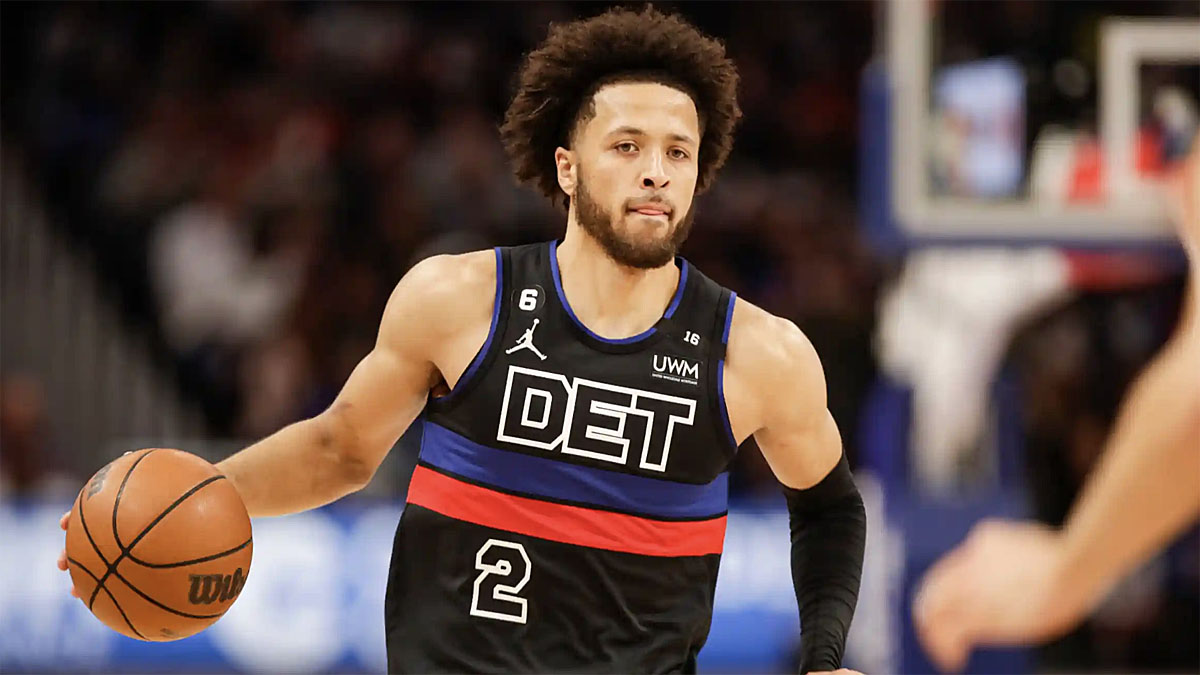
Detroit is here because the wins are real — and increasingly dominant. Back-to-back statements against Cleveland and New York weren’t flukes. Cade Cunningham has decisively won high-leverage matchups, and the Pistons’ shooting variance has tilted positive at the right time.
What’s changed is belief. Detroit no longer plays like a young team hoping to hang around. They expect to control games. Whether they add at the deadline or stand pat, this is a legitimate conference threat right now.
1. Oklahoma City Thunder
Oklahoma City stays on top — narrowly. After a historic start, the Thunder have cooled, winning eight of their last 14 games. Losses to Phoenix and Charlotte exposed slippage in execution rather than talent.
Still, the foundation holds. Shai Gilgeous-Alexander remains the NBA’s most reliable closer, and Chet Holmgren continues to anchor elite defensive lineups. This isn’t panic territory — it’s recalibration.
The Thunder are no longer sprinting. They’re pacing. And until someone proves they can consistently knock them off balance, Oklahoma City remains the team everyone else is measuring themselves against.
Editor’s Pick
The post NBA Power Rankings 3.0: Pistons Surge, Knicks Slide as Trade Winds Shift appeared first on Ballislife.com.