
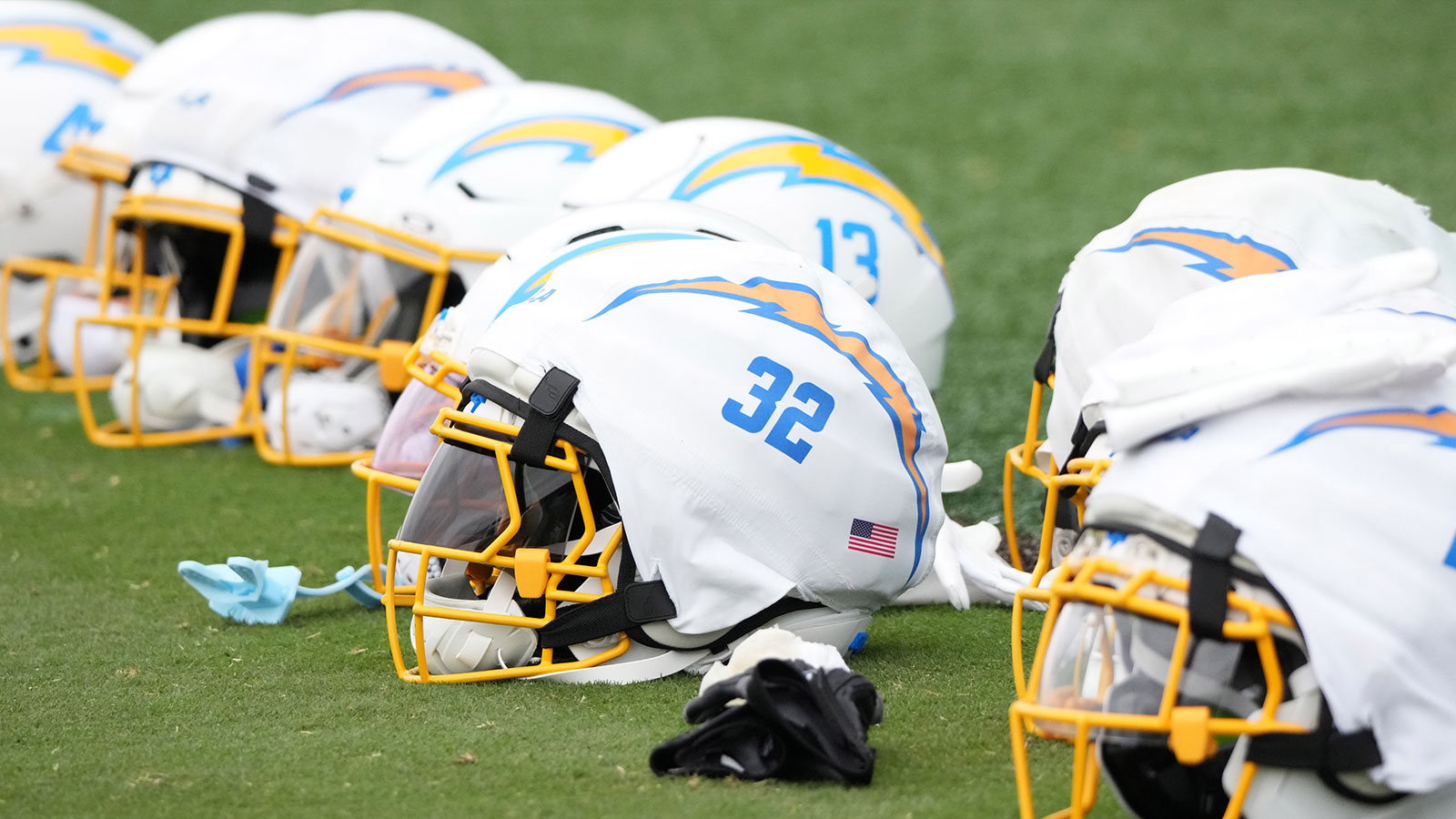
The Chargers are gearing up for the 2026 offseason by focusing heavily on bolstering their offensive capabilities, and it’s evident. With Jim Harbaugh determined to keep the competitive window open, new offensive coordinator Mike McDaniel is assembling a staff that emphasizes the details of the run game and the functioning of the offensive line. Adam Gase has joined the team to contribute, there’s a new offensive line coach in place, and McDaniel is bringing Chandler Henley from Miami to serve as another trusted advisor on how to install and adjust the run game week to week.
Los Angeles is also in a unique financial position for a contender. The Chargers possess significant cap space for 2026, which presents them with many options. Teams with available cap space often squander it by hesitating, which can result in overpaying for solutions when the market tightens.
Harbaugh is not inclined to operate this way, and McDaniel’s offensive system does not function effectively when the roster is patched together with bargain players. If the Chargers intend to spend like a true contender in March, they should create even more flexibility now by restructuring a few substantial contracts that can be adjusted.
Here are four moves the Chargers should consider to clear salary cap space in the 2026 offseason:
Justin Herbert
The simplest move here is to restructure Herbert’s contract, which would adjust the cap sheet without affecting the starting lineup. Herbert’s cap number for 2026 is big, but its structure is typical for teams looking to create cap space. The team can convert a portion of his base salary into a signing bonus and spread that bonus over the remaining years of his contract.
This maneuver is foundational but crucial for football purposes. McDaniel’s offense relies on combining run formations with play-action passes, requiring functionality across the entire unit, not just at the quarterback position.
If the quarterback’s salary is too high, it can restrict investments in other critical areas, such as swing tackle, third receiver, and a running back capable of pass protection and receiving without revealing plays.
Derwin James
Derwin’s value lies in his ability to solve multiple defensive challenges simultaneously. He can play deep in the secondary, shift down late in the play, and handle responsibilities in the box when necessary. This versatility influences how opponents perceive the defense before the snap and allows the coordinator to compensate for weaker players without predictability in coverage schemes.
The issue is that the salary allocated for a luxury safety can become burdensome when trying to add cornerback depth, maintain edge players, and support an offense with championship aspirations. Therefore, a restructure or a short extension for James makes sense.
Rashawn Slater
The conversation surrounding left tackles is fundamentally about how the offense operates. When your left tackle is reliable, you don’t need to constantly keep a tight end close to the line or chip defenders on every other play. This stability allows for deeper play-action concepts without relying heavily on max protection. Slater brings a sense of calm to the offense, which is crucial when trying to make the run game appear consistent across various formations.
The best move here would be to extend his contract, reducing the 2026 cap hit while securing the position during Justin Herbert’s prime. Tackle prices are continually increasing, and delaying negotiations rarely simplifies the process.
Mekhi Becton
This contract presents an opportunity to generate cap space through removal, but the rationale needs to be specifically tied to football performance. McDaniel’s running schemes can put stress on interior linemen, requiring guards to reach. When a guard struggles with their footwork or hand placement, the run game falters, resulting in numerous two-yard carries and challenging second-down situations.
In terms of pass protection, a guard who can’t consistently anchor forces the center to compensate, affecting the entire line’s protection schemes. If the Chargers believe Becton fits their system and can remain healthy, they might choose to keep him and possibly restructure his contract.
However, if the staff views him as inconsistent, it may be time to part ways.
The Los Angeles Chargers can afford to be aggressive, but only if they can shape the cap situation early enough. If they wait, they will still have cap space but will be shopping later than teams that acted quickly. This delay can lead to a situation where they are satisfied with their offseason instead of actually improving their roster.
This approach also reflects why the Chargers are structuring their offensive staff as they are. McDaniel is inheriting a roster with a franchise quarterback and high expectations. The addition of Henley brings in someone familiar with the running game, aiding in correcting details during the install phase rather than after the first few games.
Hiring Gase adds another experienced perspective for weekly planning and adjustments. Harbaugh has also brought in a new offensive line coach for a reason: the Chargers are signaling their intent to be a team that can run effectively when necessary and punish defenses that overcommit.
On another note, former Chargers defensive back Nasir Adderley has announced his intention to make an NFL comeback after stepping away from football in 2023. He shared that he spent the last three years focusing on health, family, and entrepreneurial ventures, only to realize how much he misses the competition, camaraderie, and the game itself.
Adderley was a second-round pick in 2019 and started regularly from 2020 to 2022, and now he’s eager for another opportunity in the league. Even if he lands elsewhere, it’s a story that teams are likely to monitor closely as they fill out their rosters.
For the Chargers, executing their offseason plan is straightforward if they act quickly. They should reshape the quarterback cap hit to create room without compromising on-field performance, smooth out the defensive centerpiece contract to facilitate additions in March, secure the left tackle position with a contract structure that mitigates the 2026 spike, and make a definitive decision on a costly line contract based on scheme fit and reliability week to week.
By taking these steps now, the rest of the offseason will become more manageable, and the offense being built by Harbaugh and McDaniel will have a better chance of maintaining consistency come September.
The post 4 moves Chargers must make to clear salary cap space in 2026 NFL offseason appeared first on ClutchPoints.
